

Pikes Peak Ethics Committee Meeting
- First Friday of every month at noon.
- Email me if you would like to be added to our email list to receive the agenda and reminders about the meeting.
- https://zoom.us/j/97461641616?pwd=YPpJU1ZHMG3bTChSVxAcD9gb39qVaY.1
Survey news
- Surveyors are looking at pain medications being given for pain score less than the order recommends.
- Make sure pain medications have some type of directions about when to use them.
- Generally, pharmacists seem to recommend having a pain score of 1-5 for tylenol/ibuprofen and 6-10 for stronger medications, like opioids.
- Remember, for anyone on higher doses of opioid, you might consider some kind of objective pain scale in addition to the subjective pain scale.
PPE use for EBP
In my inspections of facilities, I have noticed a trend toward reusing gowns, hanging them on doors for reuse, and even putting them back in drawers with sterile gowns. If you need to use a gown for Enhanced Barrier Precautions (or any reason), please change gowns every time. Don’t reuse gowns.
Infection Control Surveys No Longer Part of the Standard Survey Process
However, the tags and penalties for not following the infection control practices and recommendations still exist and will be enforced in other ways.
CMS Ends Infection Control Focus Surveys
The Centers for Medicare and Medicaid Services (CMS) has announced via update to QSO-25-23-ALL that focused infection surveys are no longer part of the standard survey process effective July 31, 2025. CMS also noted that any concerns related to COVID-19 or infection control should be addressed through complaint investigations outside the Long Term Care Survey Process. Additionally, CMS updated the Survey Resources folder to accommodate the Infection Control Survey type being retired, effective July 31, 2025.
Influenza plan
- Staff can, ideally, be vaccinated anytime during September and October.
- Residents can be vaccinated in anytime between mid November and December.
- If there is an outbreak or the emergence of an early influenza season, these recommendations will be pushed up to vaccinate earlier.
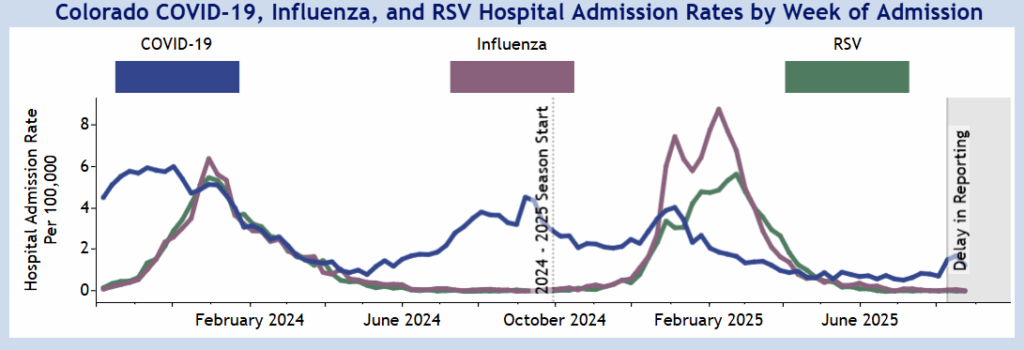
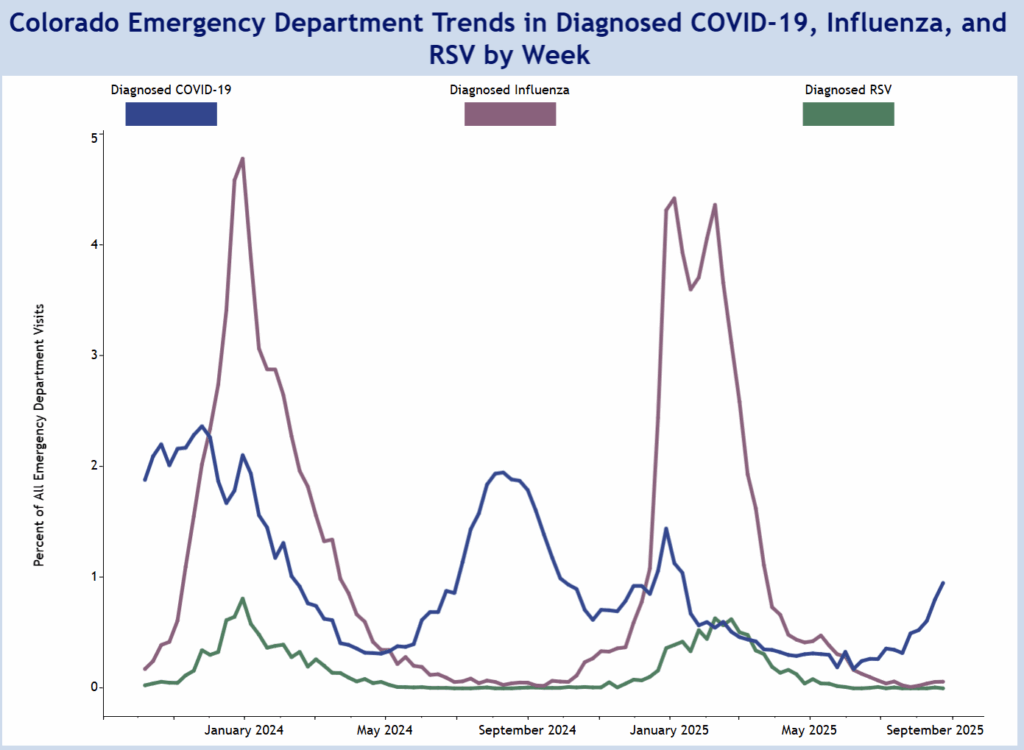
- As you can see below, COVID, Influenza, and RSV all typically peak in January – March. We try to time the administration of the influenza vaccine so that the protection is peaking in our elderly around this time.
- Which flu vaccine do I give?
Persons > 65 or who are “sick” – especially if they have diseases that compromise their
immune system – should receive either the HIGH DOSE or ADJUVANT vaccine. All others
should receive the standard, trivalent vaccine. - This years vaccine is a trivalent vaccine with A/H1N1, A/H3N2 and B/Victoria lineage
COVID vaccinations
There is no more effective, safer means to be protected from COVID and Influenza than to stay up-to-date with vaccinations.
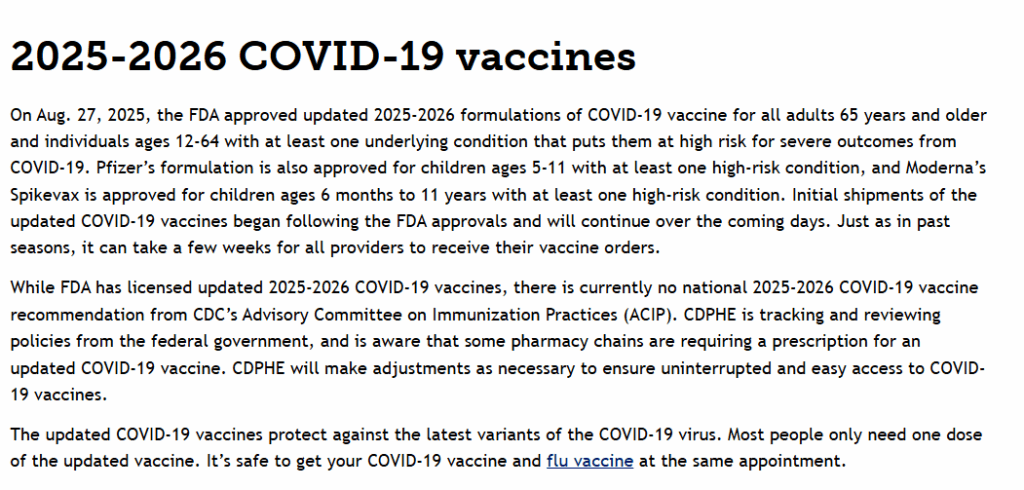
As of 9/3/25, COVID vaccines for 25-26 are not available. Hopefully, they will be available in September sometime. The CDC recommendation is currently for those 65 and older and for those with increased risk. A full list of those at increased risk can be found at Underlying Conditions and the Higher Risk for Severe COVID-19 | COVID-19 | CDC.
Increased risk means comorbidities like the following:
- Physical inactivity
- Obesity
- Smoker
- Heart disease (CAD, CHF, all others)
- Chronic lung dz: COPD/Asthma, PE, Pulmonary hypertension
- Dementia
- CVA
- TBI
- Diabetes
- CKD
- Psychiatric illness (bipolar, schizophrenia, mood disorders, depression)
- Parkinson’s Dz
- Immunocompromised
- Cancer
- Liver disease: cirrhosis, Hep C, etc…
- Pregnancy
- Wheel chair use
- Visual impairment/blindness
- Learning disabilities
- Deafness/hearing loss
- Cognitive impairment
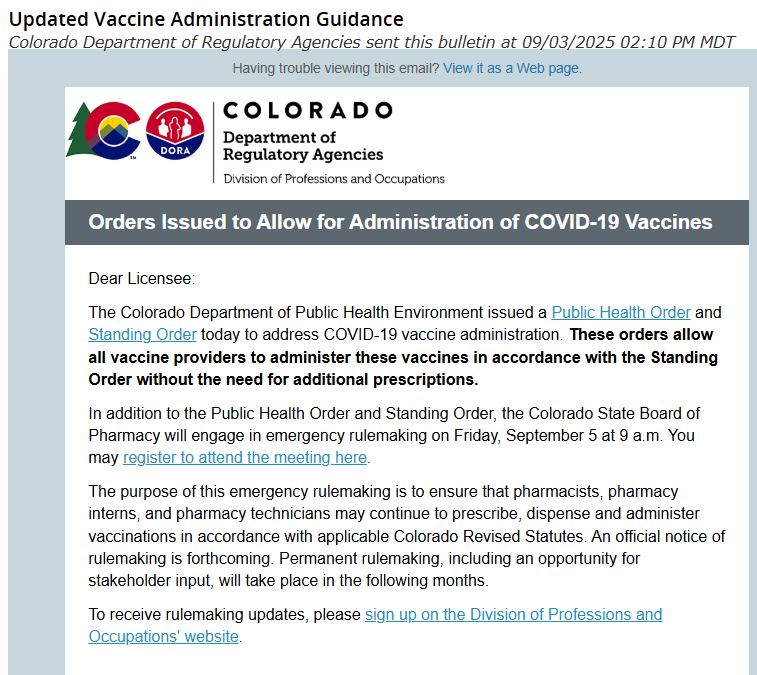
CDPHE Public Health Order
- COVID Vaccine Access PHO.09032025.pdf – Google Drive
- COVID-19 vaccine | Colorado Department of Public Health and Environment
Chemicals put in safe place
Consider running a drill to see if you are prepared for a resident that is found drinking a caustic cleaning product.
Please ensure that we are keeping cleaning supplies, chemicals, and other toxic substances in a safe place away from residents. There have been cases where residents with cognitive impairment have ingested cleaning chemicals that have not been kept in a safe place.
Please ensure the following:
- cleaning supply rooms are locked
- cleaning chemicals are safely used when there are residents in the vicinity
- Safety Data Sheets for all chemicals are available
- the phone number for poison control should be posted
- ensure a plan to document poison control case number and instructions in the chart
- consider having a procedure outlining the plan of action if a resident is thought to have ingested a toxic chemical
Urine PCR Testing
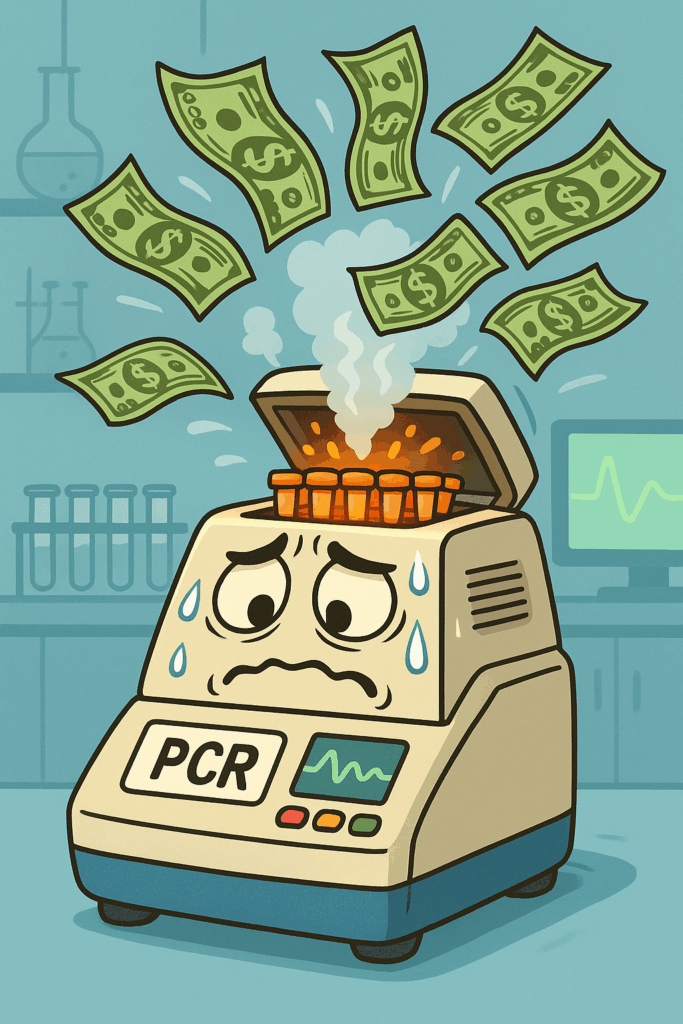
UTI is a clinical diagnosis based on specific symptoms plus a positive urinalysis (UA) and urine culture as outlined in our previous UTI consensus statement (See Figure 1).1 Nonspecific symptoms such as altered mental status, foul-smelling urine, and falls have low positive predictive values (PPVs) for the diagnosis of UTI.8-11 Studies have shown no benefit for treating these symptoms with antibiotics, and guidelines recommend investigating alternative causes.1,2
It is important to note that a UA that is negative for leukocyte esterase and nitrites rules out a UTI. However, UA that is positive for either leukocyte esterase or nitrite does not confirm a UTI.

Seizure in service
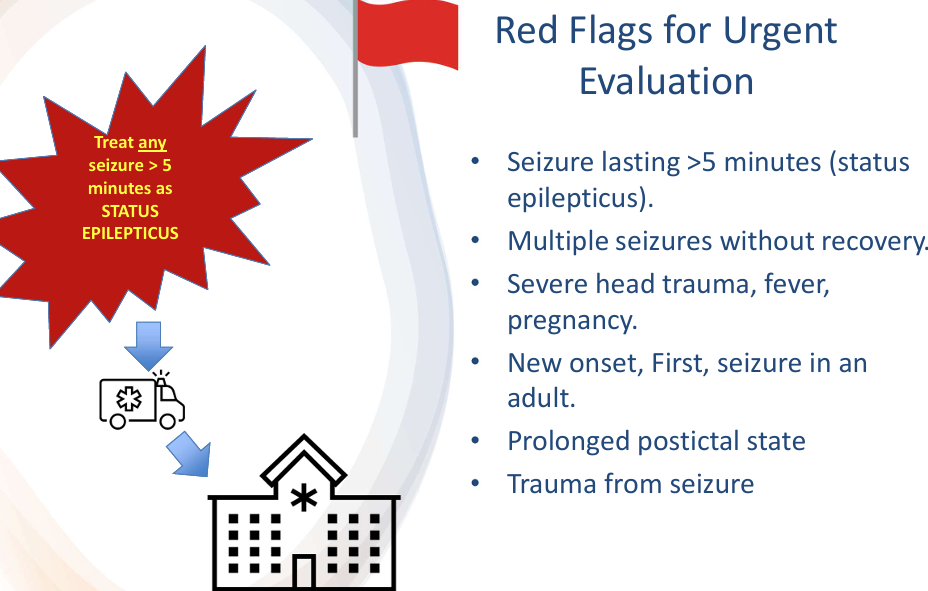
Status Epilepticus = Seizure lasting >5 minutes
CDPHE Disease and Control Update Newsletter
Latest Posts
- Worst Career Mistakes and How to Fix Them
- Physicians Are Not Providers: The Ethical Significance of Names in Health Care: A Policy Paper From the American College of Physicians | Annals of Internal Medicine
- Gabapentin for Pain:
- Things We Do for No Reason™: Prescribing gabapentinoids for pain – Patel – Journal of Hospital Medicine – Wiley Online Library
- Things We Do for No Reason™: Prescribing gabapentinoids for pain