

- I encourage facilities to have a written and formal fall program. This program should take a continuous quality improvement approach to falls. There are many ways to accomplish this, and I have provided some resources below. There are some interventions that probably should be implemented when a resident falls more than once and no root cause has been identified.
- Post fall huddle (ASAP!)
- ASAP, with the CNAs and nurses that identified the fall
- Root cause analysis
- Environment evaluation
- Accidental fall?
- Spill on floor, trip on oxygen tubing, slipped in transition, etc…
- Interventions planned
- Review interventions daily for 30 days to assess success of intervention
- Document intervention and efficacy of intervention.
- Change in condition?
- New onset medical condition
- Postural hypotension
- Dizziness
- confusion
- new medication
- progression of dementia or other chronic disease state
- Accidental fall?
Medical Evaluation
- Vital signs.
- Look for fever, hypoxia, hypotension, bradycardia.
- Orthostatic blood pressure and heart rate
- Rule out orthostatic hypotension which is very common in LTC.
- Check glucose
- Do not miss hypoglycemia as a cause or fall. It is easily fixable.
- Alert physician
- Collect the information above within 24 hours.
- Once you have the above information collected, present the case to the patient’s attending physician.
- Medication review
- PT evaluation
- Vision assessment – PT can do a functional visual assessment
- Physician evaluation for falls
- Physical exam and labs/imaging aimed at identifying causes of falling, weakness, dizziness, functional decline, or other potential change in medical status that could increase fall risk.
- Physician note outlining recognition of falls, plan for workup, potential causes, interventions, lab/imaging results, and expectation for successful interventions.
- Medication review by physician and pharmacist
- Clinical exam in combination with labs to help rule out anemia, thyroid disease, hyponatremia, infection, potassium abnormality, uremia, worsening renal failure, liver failure, metabolic encephalopathy, pneumonia…. and multiple other metabolic causes of changes in mental status and falls.
Intervention List:
https://docs.google.com/spreadsheets/d/1UT32dAtnjoRRUtSytngcUWavwg0ZarkliIXEeMVY7m0/edit?usp=sharing
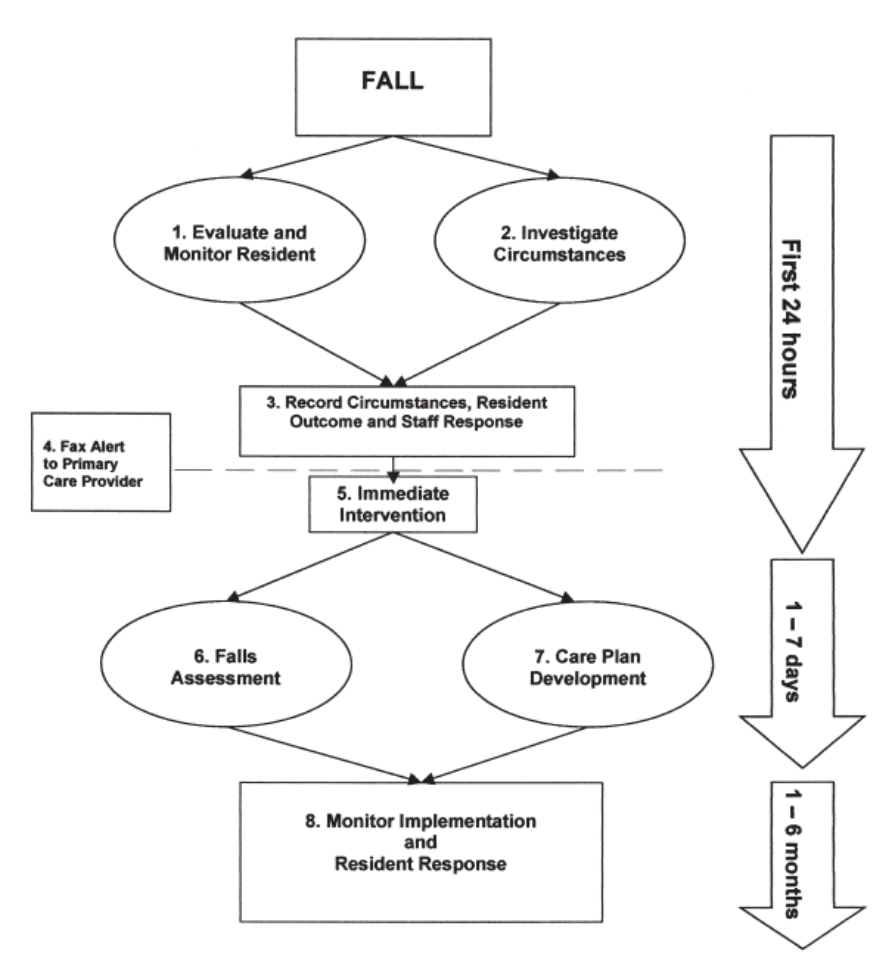
Fall Evaluation Tools – docShepherd
Falls and Vision Impairment – docShepherd