Please consider bringing a case to the meeting. It’s a great opportunity to discuss difficult cases with your peers in LTC, share experiences, and learn from each other.
Email me if you would like to be added to our email list to receive the agenda and reminders about the meeting.
Colorado State average for falls in higher than the national average. Surveyor are focusing on falls.
Holding Medications
Please ensure appropriate documentation if we are holding a medication or if it is not available for any reason, such as a pening prior authroization.
If there is an order to give a medication, we must call the physician to get an order to hold the medication if it is not available for any reason. Alternatively, ask the physician if there is an alternate therapeutic option.
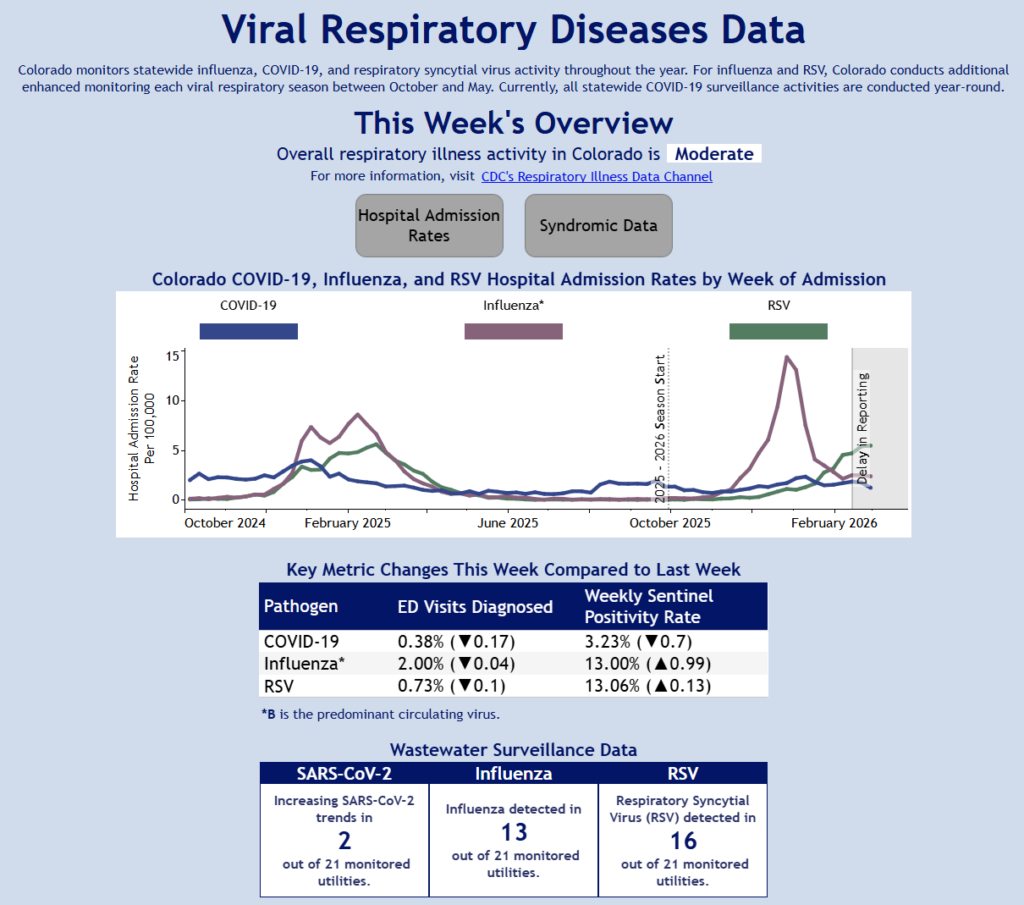
COVID / Influenza / RSV update
RSV activity still rising and we are still seeing influenza activity, but I think it is declining.
Pneumonia Vaccination Recommendation
PCV21 should be the first choice. PCV20 is an alternative.
I would recommend PCV21 over PCV20. However, if a patient has already gotten PCV20, I would not “re-vaccinate” with PCV21 unless the patient wanted to do so. If you already have PCV20 or if it is cheaper, I think it is a justifiable alternative. PCV21 should be the first choice.
I continue to recommend PCV 21 for pneumonia vaccinations. There are some pharmacies that may have read the “fine print” on the PCV 21 information sheet and will tell you that Colorado is one of the states where PCV 21 may not be as good as the PCV 20 vaccine. I think that information is on the package insert and is a footnote in some vaccination tables. Here’s why. PCV21 does not cover serotype 4 Streptococcal Pneumoniae but PCV 20 does. However, I reviewed the actual data on serotype 4 prevalence at one point and surmised that there is not that much serotype 4 in Colorado and especially not in our population. Unfortunately, I did not download that data and cannot find it on the CDC website now. So, I conferred with an epidemiologist at CDPHE. They have confirmed that Colorado has not seen enough serotype 4 disease to preferentially recommend PCV 20. In fact, in our LTC population with multiple comorbidities, PCV 21 is probably a better choice. They continue to monitor this issue.
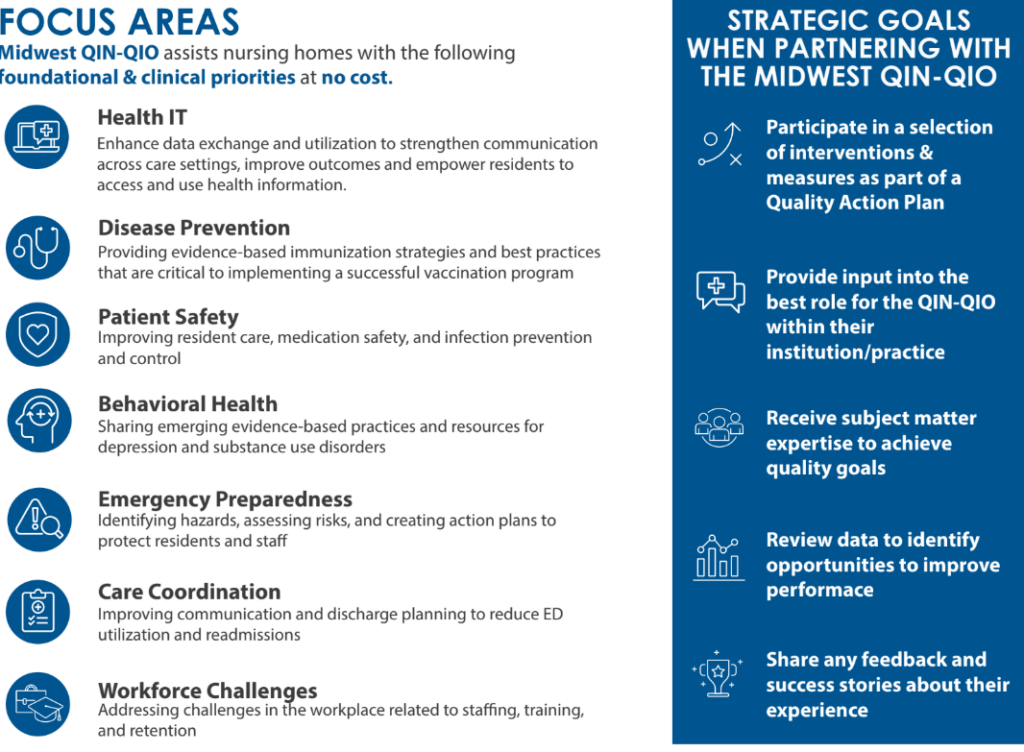
Telligen in partnership with Mountain Paci c are responsible for quality improvement work in each of the 14 states in the Midwest Region. This includes planning and implementing hands-on technical assistance to CMS-identified healthcare facilities that include hospitals, nursing homes, and outpatient clinical practices to meet the clinical aims and priorities established by CMS.
Things We Do for No Reason: Prescribing gabapentinoids for pain
Gabapentin and pregabalin — among the most prescribed drugs in the US (70M and 6.5M prescriptions in 2021, respectively)
FDA-approved only for select conditions (postherpetic neuralgia, diabetic peripheral neuropathy, fibromyalgia, seizures)
~83% of prescriptions are off-label
The evidence against routine use:
RCTs consistently show minimal or no benefit over placebo for most off-label pain conditions (back pain, sciatica, pelvic pain, postoperative pain, etc.)
When benefits were found, they were often clinically insignificant (<1 point on a 0–10 pain scale)
Pfizer paid billions in legal settlements for illegally promoting off-label use and suppressing negative trial data
Key harms and risks:
Dizziness and sedation in up to one-third of users
7x increased risk of opioid overdose when combined with opioids
Falls, delirium, respiratory depression, fractures
Higher hospitalization risk, even at low doses
Misuse and dependence, even at therapeutic doses
Dangerous in renal impairment (renally cleared), yet dosing is often not adjusted
When they might still be considered:
Postherpetic neuralgia and diabetic peripheral neuropathy (FDA-approved indications)
Individualized “N-of-1” trials with clear goals, monitoring, and a plan to stop if ineffective
Recommendations:
Don’t routinely prescribe gabapentinoids for pain
Reassess at discharge and deprescribe when appropriate (taper over 1–2 weeks, or 4–8 weeks for long-term users)