

Pikes Peak Ethics Committee Meeting
- First Friday of every month at noon.
- Email me if you would like to be added to our email list to receive the agenda and reminders about the meeting.
- https://zoom.us/j/97461641616?pwd=YPpJU1ZHMG3bTChSVxAcD9gb39qVaY.1
Physician Visits Regulations
- I saw a recent tag regarding physician notes not being present in the chart in a timely manner. This was a very obvious issue involving notes not in the chart from visits several months in the past.
- Just be aware of the timeliness of physician/NP/PA progress notes and try to be flexible but strict.
- Inform the medical director of any providers that consistently do not turn in notes in a timely manner.
- The typical recommendation is for progress notes to be in the chart within 7-10 days. I think that flexibility could be allowed for up to 30 days.
Facility Assessment
- Is it up to date?
- Signatures needed?
- Agenda/Plan for QAPI?
- TB Risk Assessment up to date?
- Vaccine processes up to date?
- Fire drills, Evacuation Drills, procedures up to date?
- Physician Practice Agreement up to date?
- Processes reviewed and optimized?
- Competencies up to date?
- Education up to date?
- Dementia training
- other education
- Monthly monitoring of employee training compliance
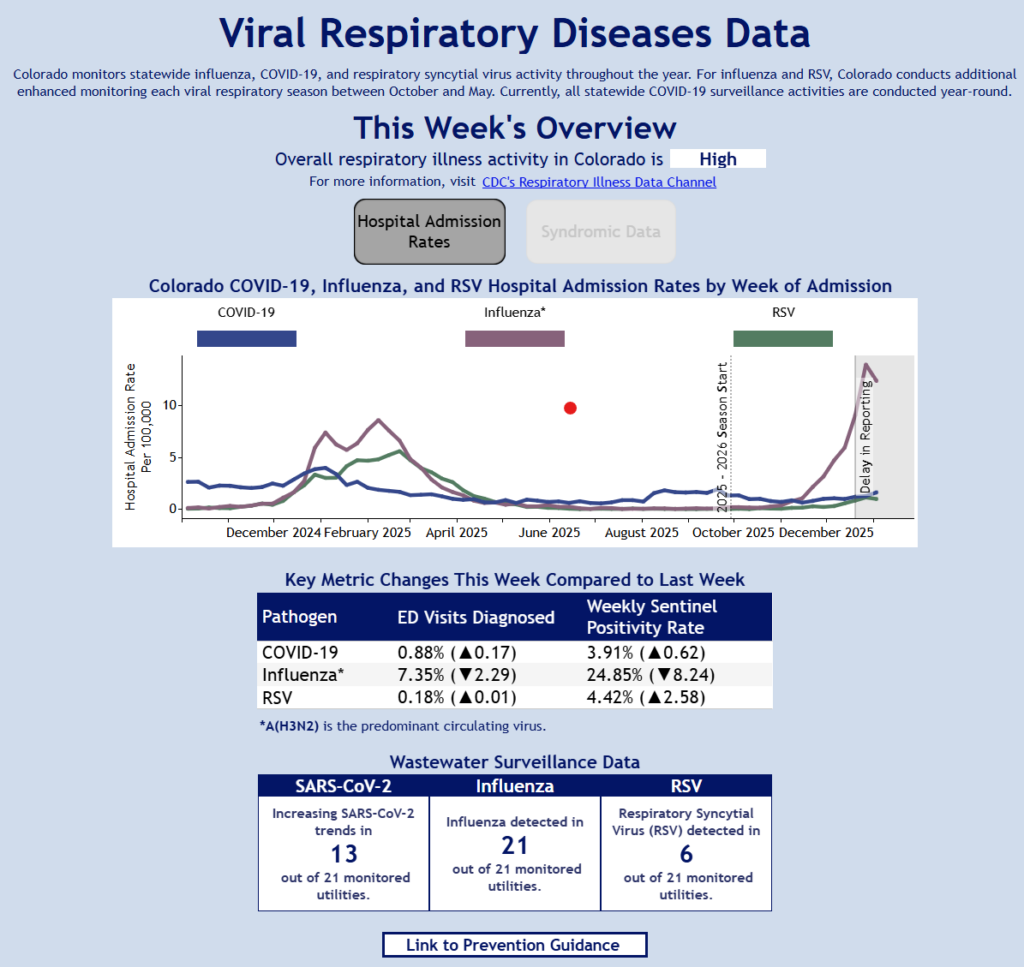
COVID & Influenza
- Consider having COVID + Influenza tests for point of care use.
Pharmacy
Long-Term Care Pharmacy Crisis Could Affect 80% of Nursing Home Residents – Skilled Nursing News
An imminent long-term care pharmacy crisis could affect more than 80% of nursing home residents by 2026, with about 84% of pharmacies planning to reduce services or stop serving certain facilities or regions.
About 78% of long-term care pharmacies expect to lay off staff as well, with layoffs already underway, according to a survey conducted by the American Society of Consultant Pharmacists (ASCP) and Senior Care Pharmacy Coalition (SCPC).
MDS Considerations on Weight Loss
GLP-1 agonists and other weight loss drugs are changing the landscape of how we need to think about weight loss in the nursing home and the clinic. A 5 to 18% weight loss is not unusual with the use of these drugs. Weight loss with these agents it typically highest in the first 6 months of use and plateaus around 18 months.
Semaglutide weight loss 12-15% over 72 weeks
Liraglutide weight loss 5-6% over 56 weeks
Tirzepatide weight loss of 15-21% over 72 weeks
Side effects of GLP-1 agonists:
- All agents: Black box warning for thyroid C-cell tumors.
- Contraindicated in patients with family history of medullary thyroid cancer or Multiple Endocrine Neoplasia type 2.
- Dose Dependent GI side effects.
- Dose dependent GI symptoms typically happen within 48 hours of initiation or dose escalation. The GI side effects typically diminish over time.
- Nausea: 25-44% of patients.
- Diarrhea 25%
- Vomitting 11-25%
- Constipation 20%
- Dyspepsia 10%
- Rare SE:
- Pancreatitis
- Acute kidney injury
- Gallbladder disease
- Hypersensitivity reactions.
Medically Managed Intentional Weight Loss
Any weight loss that is expected and planned based upon therapeutic decisions. It is often related to medical pharmacologic therapy and concomitant medical monitoring for obesity, diabetes, obstructive sleep apnea, or other potentially obesity or metabolic related pathology.
| Agent | Dose | Nausea | Vomiting | Diarrhea | Constipation | Treatment Discontinuation Due to AEs | Other Notable Safety Concerns |
|---|---|---|---|---|---|---|---|
| Semaglutide | 2.4 mg weekly | 44% | 24% | 30% | 24% | 6-10% | Cholelithiasis (RR 1.46), GERD (RR 2.19), elevated heart rate, diabetic retinopathy complications |
| Tirzepatide | 15 mg weekly | 28% | 13% | 23% | 11% | 6-10% | Cholelithiasis, GERD, gallbladder disorders, monitor oral contraceptive efficacy |
| Liraglutide | 3.0 mg daily | 16-25% | 8% | 19% | 17% | <10% | Cholelithiasis, GERD, pancreatitis (highest risk among GLP-1 RAs), upper abdominal pain, acute kidney injury risk with dehydration |
| Placebo | – | 13-16% | 2-6% | 16% | 5-11% | 0-9% | – |
Vaccines are helping older people more than we knew – McKnight’s Long-Term Care News
She is the lead author of a recent meta-analysis, published in the British journal Age and Ageing, that found reduced risks of dementia after vaccination for an array of diseases. Given those “downstream effects,” she said, vaccines “are key tools to promote healthy aging and prevent physical and cognitive decline.”
Healthy older adults vaccinated against flu have substantially lower risks of hospitalization for heart failure, as well as for pneumonia and other respiratory infections. Vaccination against influenza has also been associated with lower risks of heart attack and stroke.
References:
- Approach to Obesity Treatment in Primary Care: A Review | Obesity | JAMA Internal Medicine | JAMA Network
- Managing Adverse Effects of Incretin-Based Medications for Obesity | Obesity | JAMA | JAMA Network
- Association between vaccinations and risk of dementia: a systematic review and meta-analysis – PubMed
- Association of influenza vaccination and reduced risk of recurrent myocardial infarction – PubMed
- Association between influenza vaccination and reduced risk of brain infarction – PubMed